Private Sector Development (PSD) is the range of strategies aiming to establish markets that function vibrantly and fairly, providing inclusive and resilient economic opportunities at scale. Knowledge pages on specific PSD approaches and themes can be accessed via the links below.
For general overviews of PSD and current donor priorities, please refer to the following documents:
The following resources provide examples of DCED member agency strategies and introductory guides on Private Sector Development:
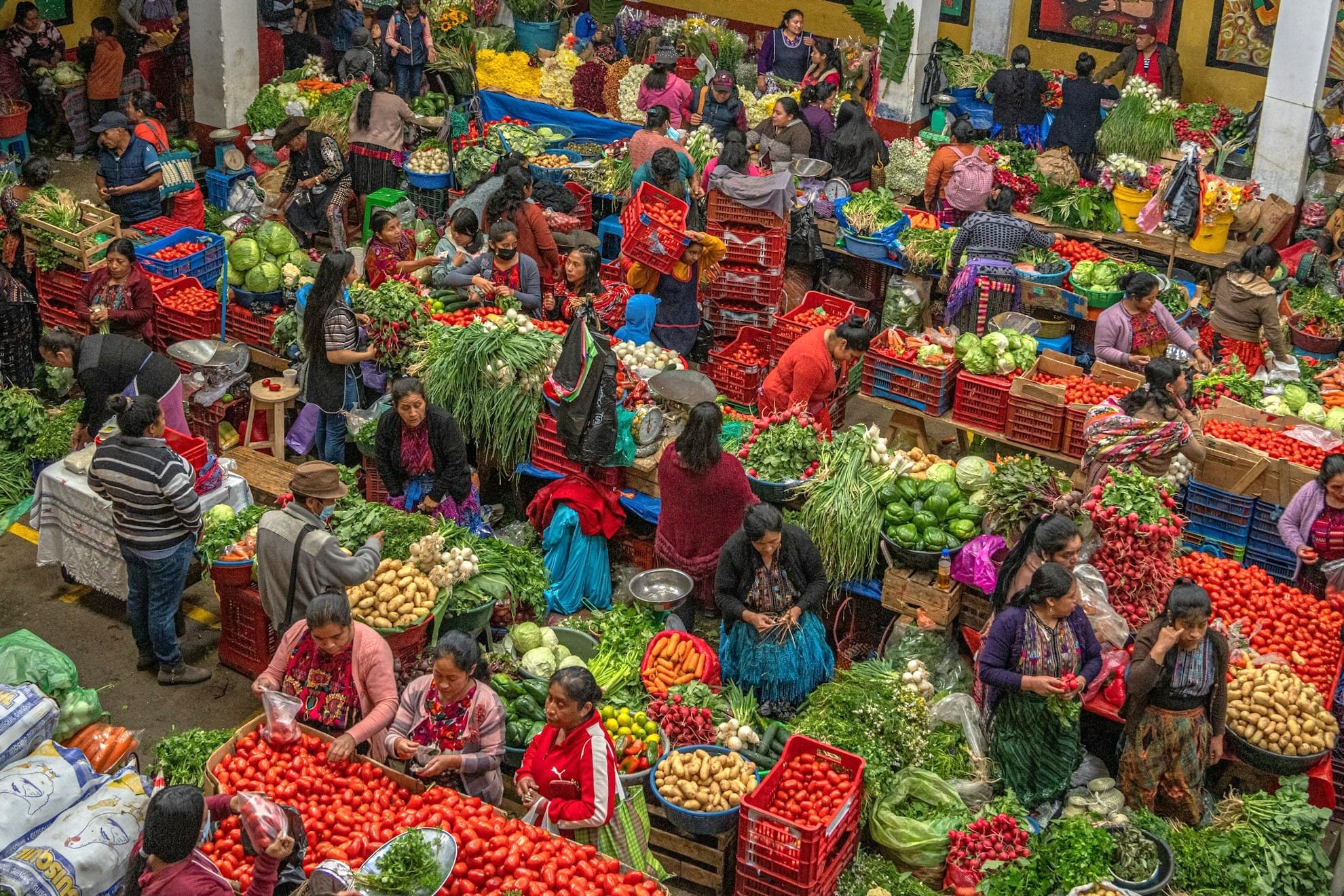
This approach aims for large-scale, sustainable impact by understanding how poor people interact with market systems, and how these systems can be changed to improve their lives. Depending on the identified market failures, market systems development may address them using various PSD tools, e.g., by linking value chain actors, implementing business development services or pursuing regulatory reform.
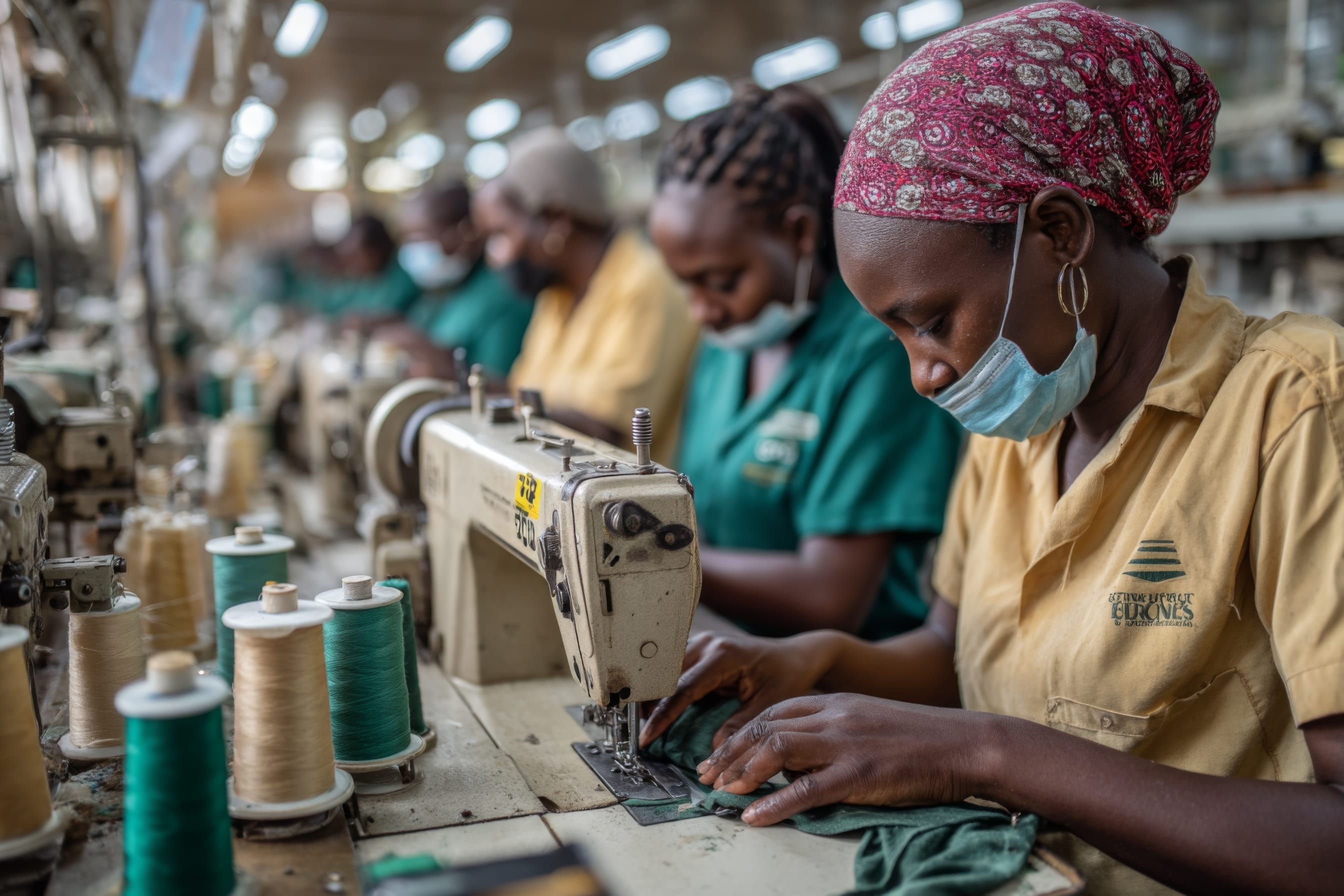
Many donor agencies are now directly engaging their own domestic or international private sector as partners in achieving development objectives – in line with the basic principles of shared costs, risks and benefits. Two broader categories of private sector engagement (PSE) include engaging the financial sector to leverage private finance for development and engaging with companies around their core business activities.

Industrial policy is broadly defined as government intervention
to promote productivity-based growth by supporting high-potential economic sectors. It may target the manufacturing, agricultural or services sectors. Whether and how donors
should promote industrial policy is much debated in
development circles.

Inclusive business (IB) models integrate the poor, either as consumers or on the supply side as distributors, suppliers or employees. Various PSD approaches can be used to promote inclusive business models, e.g. IB-oriented business environment reform, value chain development, or partnerships to share the costs of risky investments.
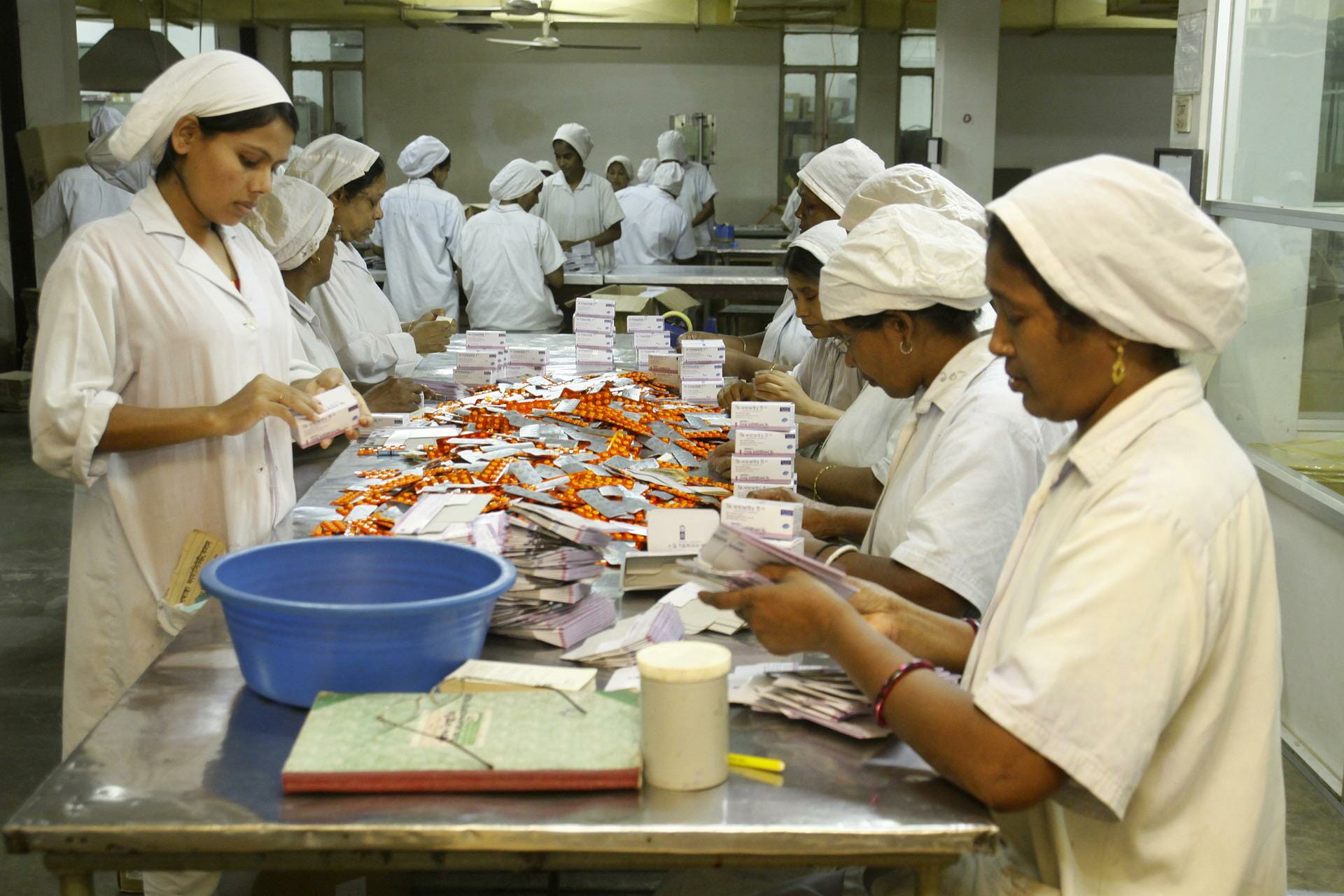
Inappropriate or excessive regulation and taxation, a lack of fair competition, and a lack of voice for the private sector can stifle business growth and increase poverty. Based on business environment analyses to identify key constraints, donors may work with governments to design and implement reforms, or support the private sector in advocacy through public-private dialogue.
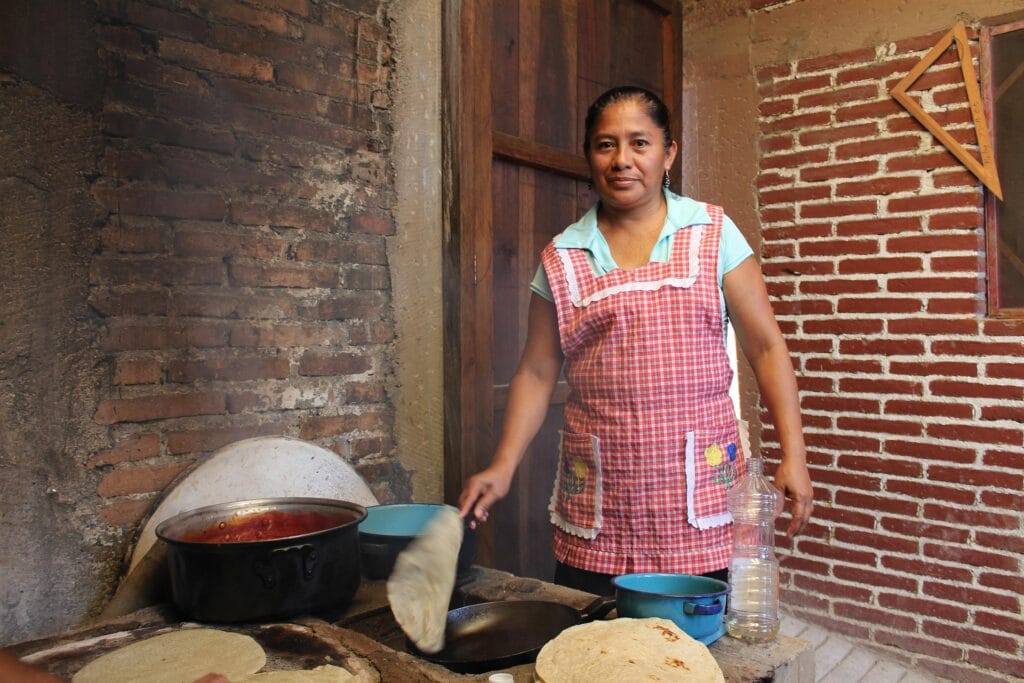
Across the world, women are paid less for their work and receive fewer benefits from their labour. Discrimination and additional household responsibilities may reduce their access to decent work and productive inputs. Gender-sensitive and WEE-focused PSD interventions seek to provide men and women with equal opportunities to contribute to and benefit from growth.
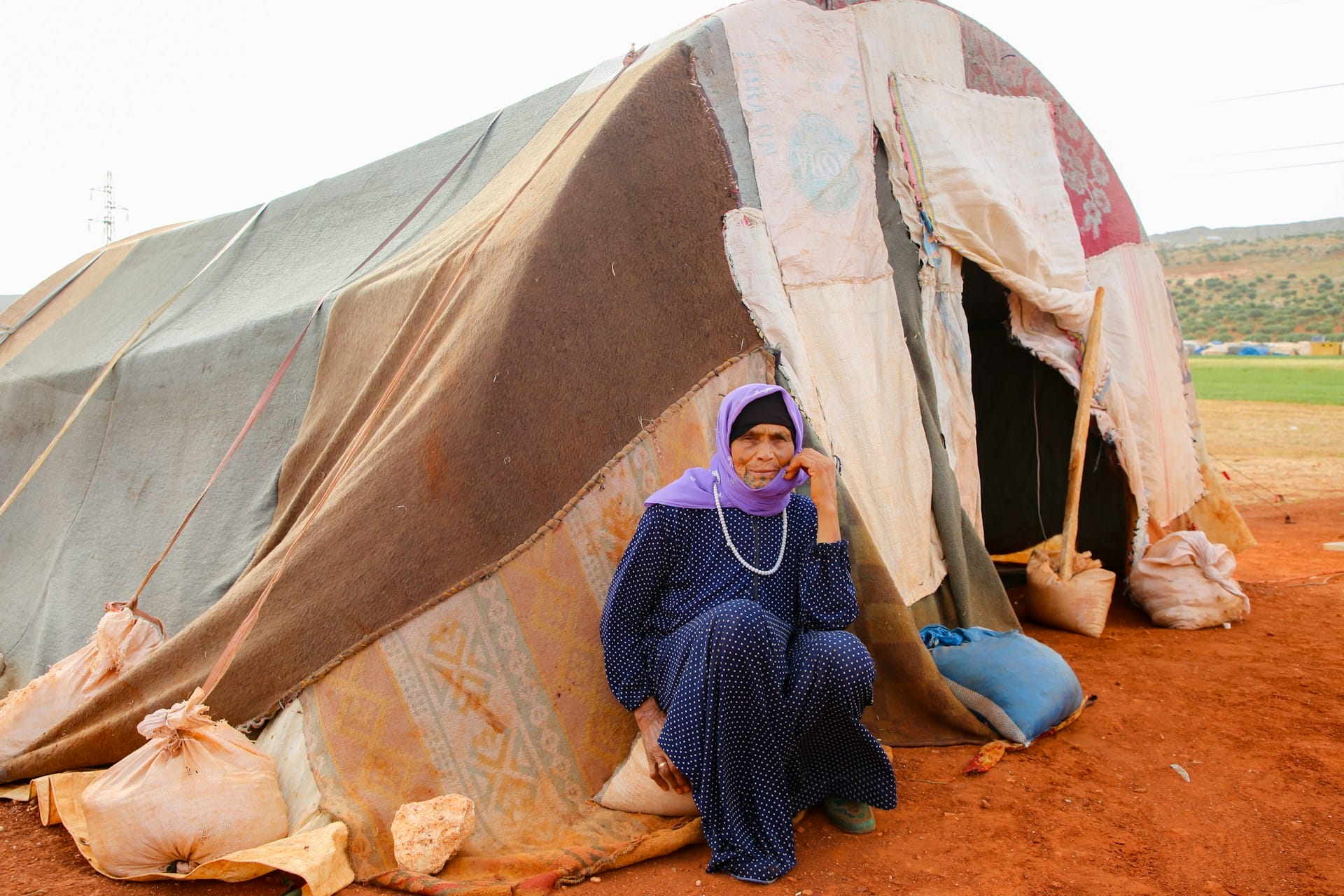
Conflict disrupts the functioning of markets and can displace large, economically active populations. PSD can play a vital role in economic recovery and long-term development and resilience in both conflict-affected and forced displacement settings. However, PSD in these contexts is much more demanding, requiring conflict sensitivity, close partnership with humanitarian actors and flexible approaches to addressing complex needs and constraints.

Local economic development (LED) focuses on enhancing the economic prospects of a particular region or municipality.
LED may combine business environment reform, value chain development, infrastructure development, innovation policy, planning and/or skills development. Cluster development focuses on geographic agglomerations of interconnected companies, services and institutions.

The private sector is central to mitigating and adapting to climate change, reducing pollution, reversing biodiversity loss, and addressing water scarcity. Greater environmental sustainability requires new products, new markets, and new production methods. Investment in greening economies can also be a business opportunity, including in the developing world.

Small enterprises are not consistently defined across agencies and countries, yet their support is generally justified by the important employment share they have in most economies. However, the benefits of targeting small enterprises, e.g. through management training or financial services, are widely debated, as not all small enterprises contribute to growth and job creation.

Employment creation in developing countries—especially for youth and vulnerable groups—is a core PSD objective, but opinions differ on how best to achieve it. Approaches may target small firms, large companies, or high‑growth enterprises; promote sectors with strong inclusive job potential; and/or strengthen the overall business environment for private‑sector growth.

Access to finance is vitally important to low-income individual
and micro-enterprises in the developing world. While it is
critical to PSD, it is a substantial field of work in its own right.
The Consultative Group to Assist the Poor (CGAP), originally
part of the DCED, is a leading source of information
on microfinance.
Photo credits: Mana5280/Unsplash; Roman Bulatov/Vecteezy; Somchai Sanvongchaiya/Vecteezy; Francesco Ungaro]Unsplash; Maruf Rahman/Pixabay; Rigoyrbk/Pixabay; Salah Darwish/Unsplash; Tim Mossholder/Unsplash; Namden/Pixabay; Kirsten/Unspash; ANC Media/Vecteezy; Bernd Dittrich/Unsplash