
The DCED, together with the BEAM Exchange – its knowledge platform on market systems development (MSD), has a track record in running Global Seminars to learn about effective practice in private-sector development (PSD).
Since our last Global Seminar in 2024, there have been seismic shifts in the world of PSD. Bilateral aid budgets have been cut or eliminated; there is increased political pressure to align PSD with trade benefits for donor countries; and donor countries are increasingly turning to Development Finance Institutions (DFIs) and other sources of finance to drive development outcomes. This is set against the backdrop of rising fragility and climate shocks, which demand more integrated responses that align prevention, recovery and adaptation with more systemic approaches. In all these responses, inclusion principles are under considerable strain yet remain essential for sustainable growth.
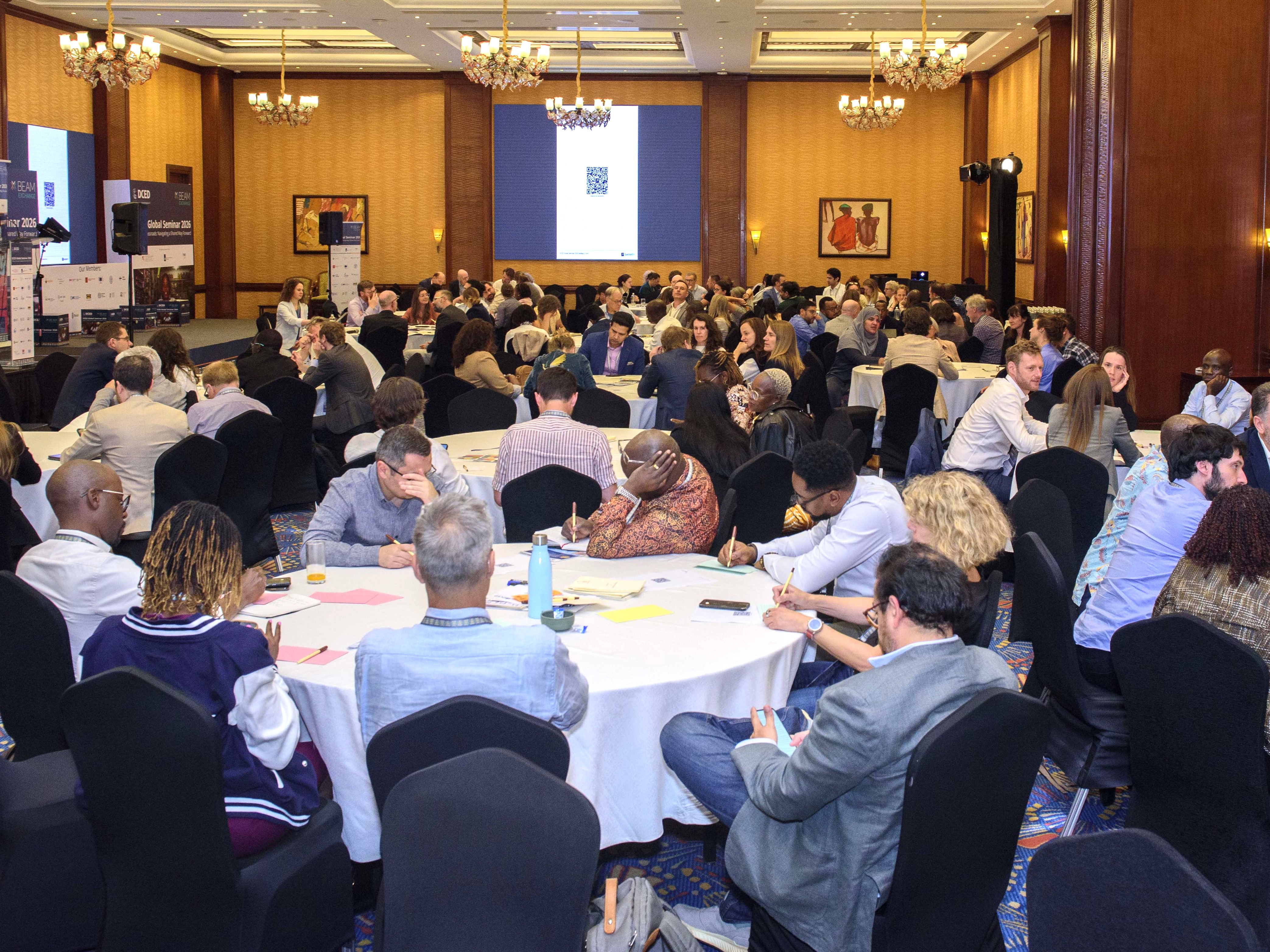
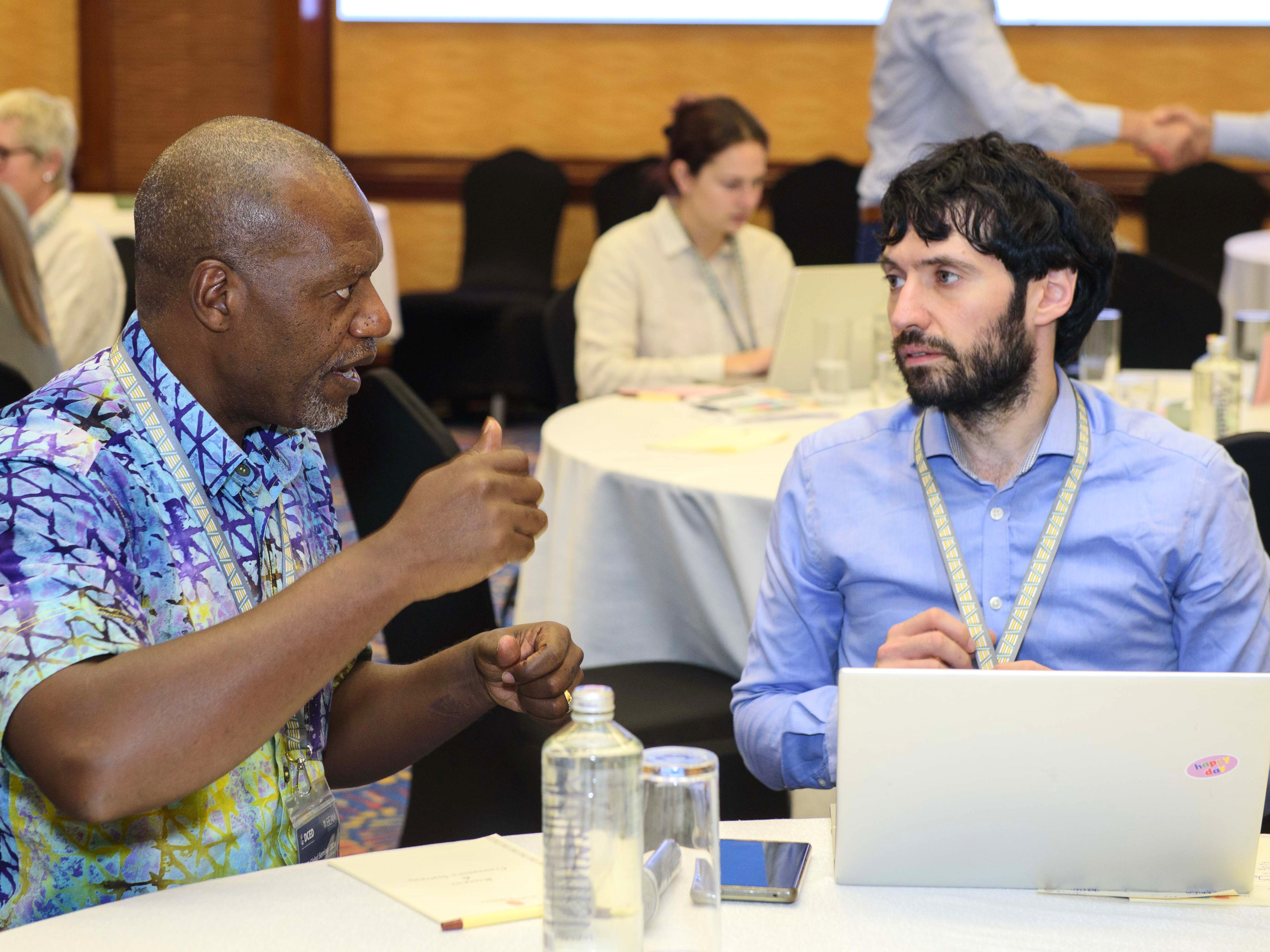
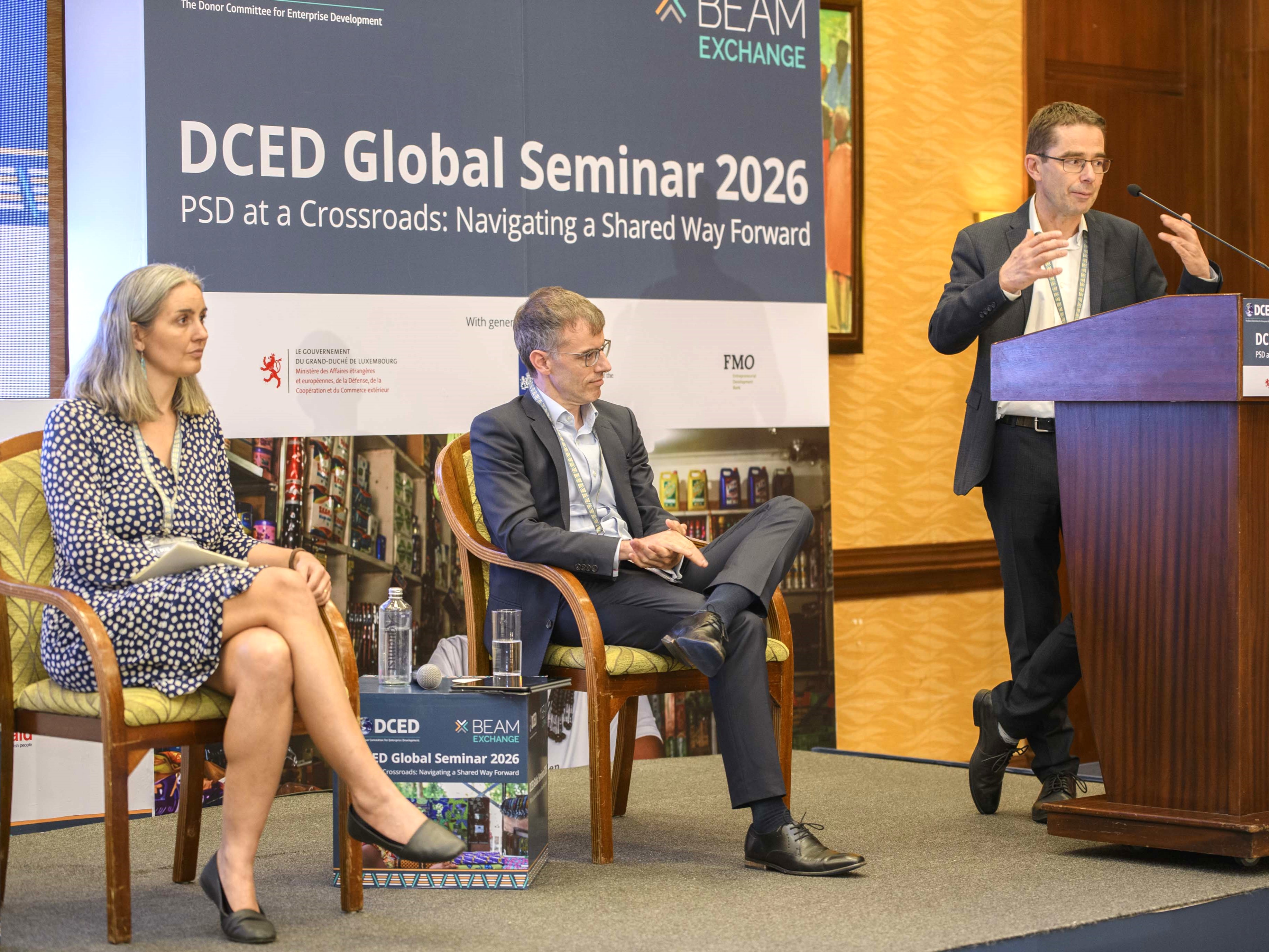
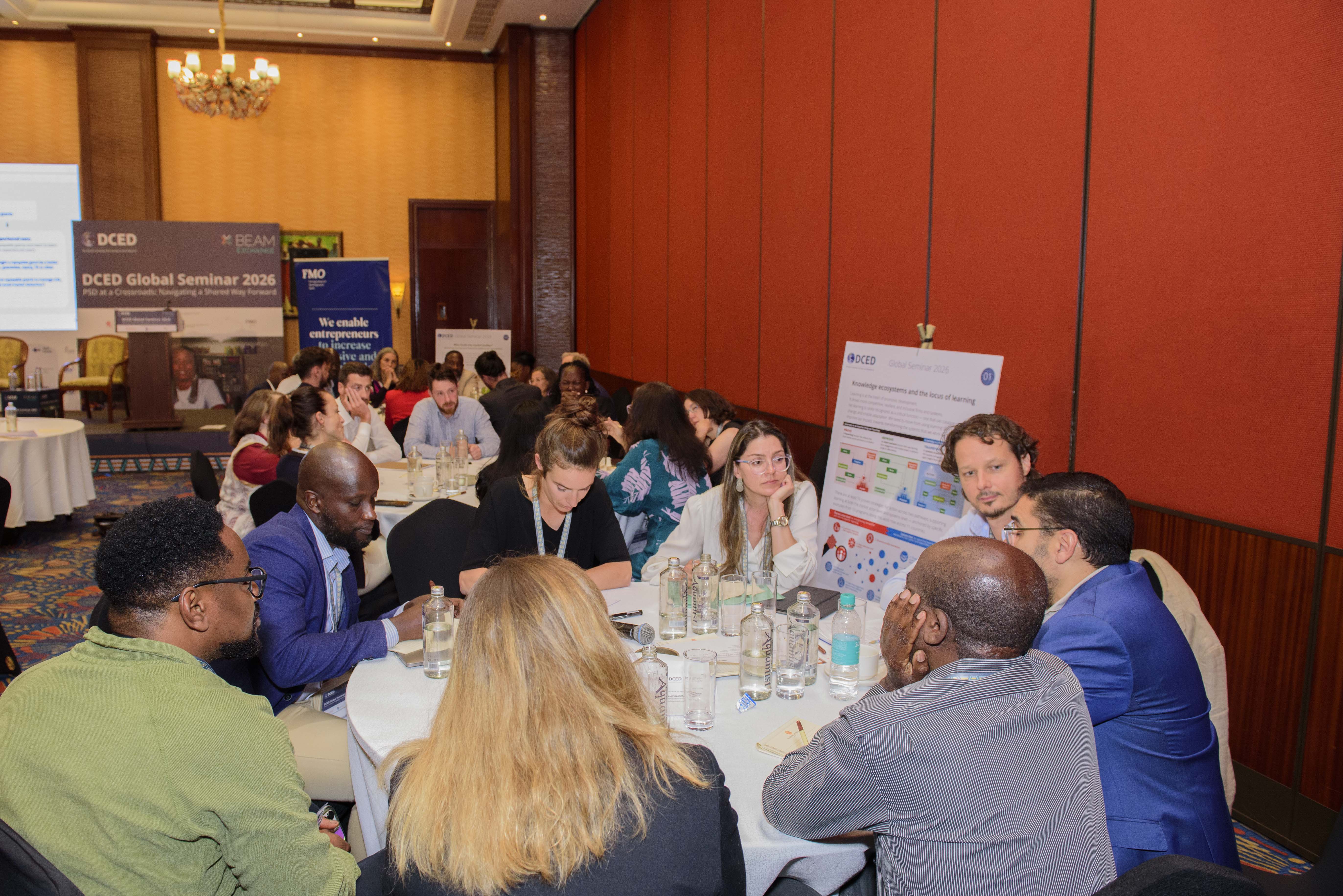
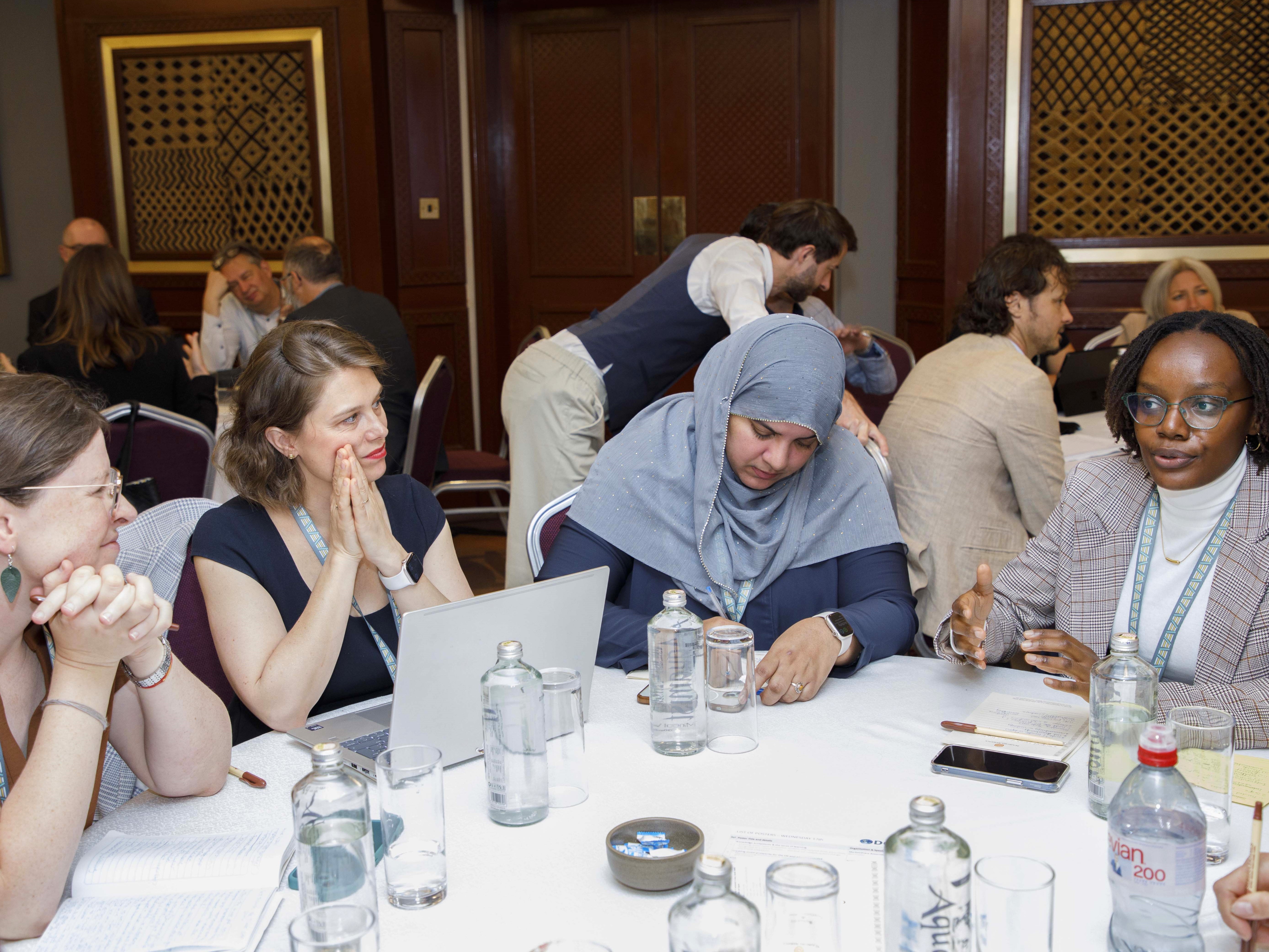
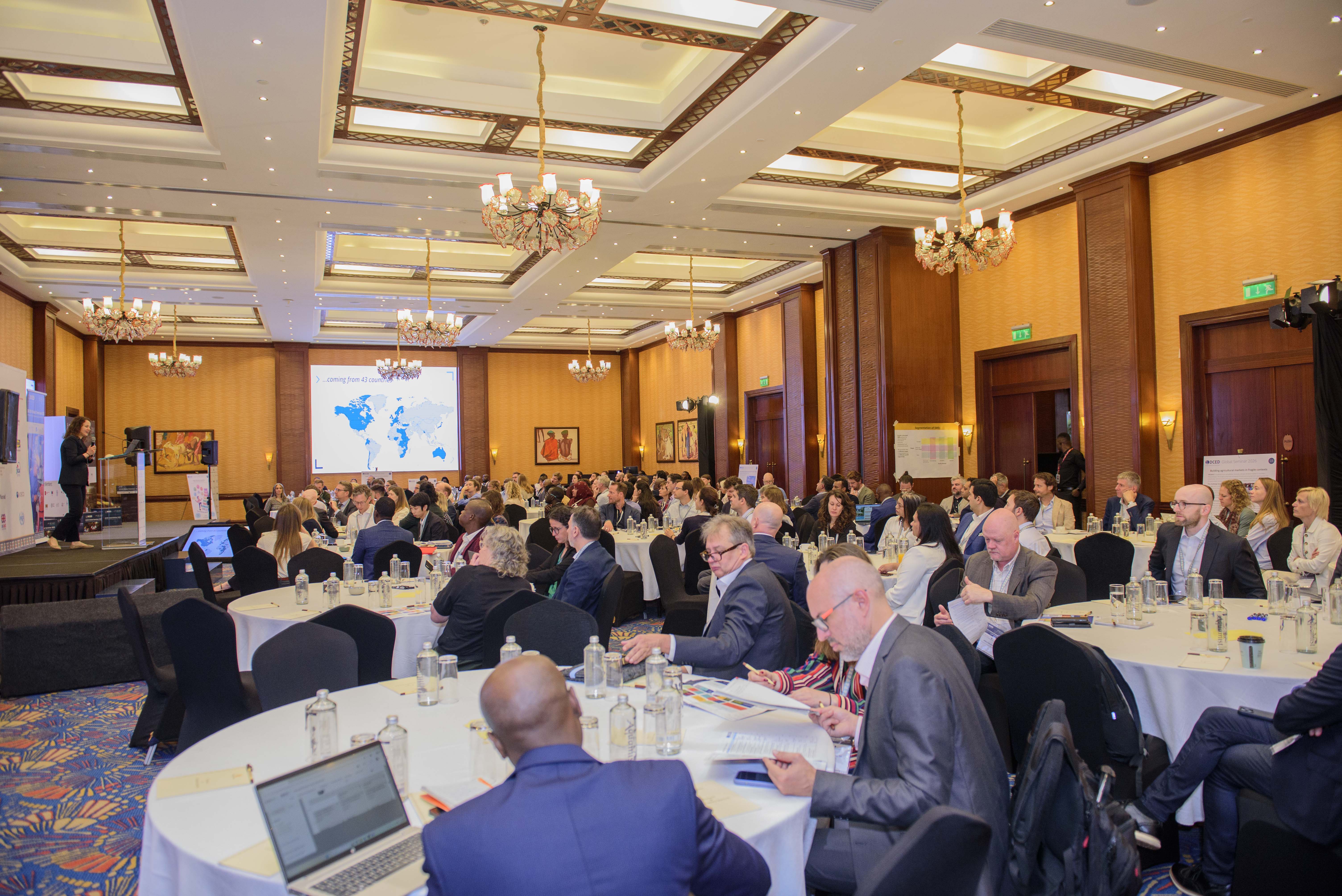
The DCED’s 2026 Global Seminar brought together more than 220 bilateral donors, private foundations, DFIs and impact investors, multilateral agencies, implementers and other practitioners, to examine implications of this evolving global aid landscape for systemic PSD.
Below are more detailed headlines per thematic strand. For a more detailed insights, read the full summary report.
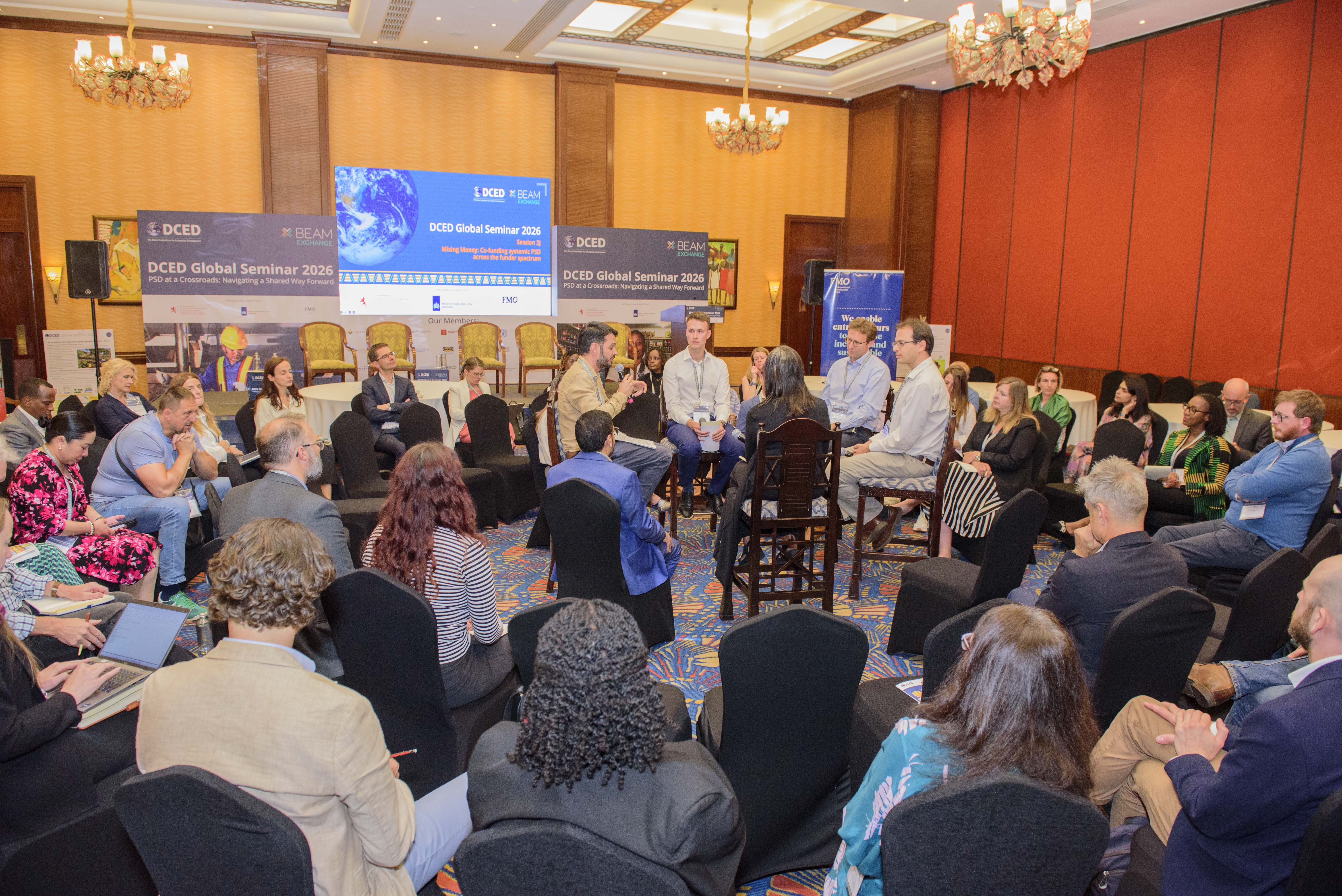
Key takeaways included the need for realistic minimum funding for market systems development, caution about co-funding without a shared strategic vision, and the importance of adapting implementers’ business models while preserving long-term commitment to inclusive systems change. The DCED will step up efforts to share lessons in this space and, together with existing members, connect with new funders to exchange on effective practice.
Aligning donor-country interests with development objectives presents both opportunities, including a shift to equal economic partnerships, and risks – in particular, the exclusion of low-income communities and sectors, and a drift towards tied aid. The DCED will continue to help donors navigate this agenda by publishing the results of an ongoing review of experiences, and focus on sharing lessons on ways to maintain development effectiveness.
The future of SME finance and efforts to bridge the ‘missing middle’ lies in market creation—bringing together systems development and finance to build markets that work for underserved businesses. This means shifting from isolated funding instruments to coordinated, catalytic approaches that strengthen both financial institutions and the broader ecosystem supporting SMEs. The DCED’s new SME Finance Community of Practice will serve as a shared forum for donors, DFIs and practitioners to find a shared language and collaborate on this agenda.
A key takeaway from the MSD discussions was that the approach continues to evolve, with growing application across SME finance, impact investing, green growth and fragile contexts, while remaining grounded in its core principles of systemic change. Participants also challenged common misconceptions, highlighting strong evidence that effective public-sector partnerships are not only compatible with MSD but are often essential for achieving lasting, large-scale impact. The DCED’s BEAM Exchange and MSD Community of Practice will take these discussions forward and engage with other communities on how to work systemically.
Achieving a green and just transition requires more than adding environmental objectives to existing programmes—it demands clear strategic priorities, a deep understanding of local market systems and commercial incentives, and coordinated action across finance, policy and business ecosystems. Participants also stressed the importance of openly acknowledging and managing trade-offs between environmental and socioeconomic outcomes, with explicit priorities guiding decisions to maximise long-term systemic impact. The DCED will continue to drive a better understanding of effective practice, in particular through its MSD and Green Growth Communities of Practice.
The question is no longer whether MSD belongs in the growing number of global crisis contexts, but how it can work alongside humanitarian action to strengthen resilience and reduce long-term dependency. Participants also challenged the field to be more ambitious, recognising that achieving transformative change requires engaging with power dynamics, political realities and risk, not avoiding the sectors where these challenges are greatest. As this conversation evolves, the DCED’s BEAM Exchange looks forward to sharing the growing body of lessons and evidence on how humanitarian action and MSD can work together.
Inclusion is fundamental to systemic PSD. Even in difficult political and funding environments, leaders have the agency to drive meaningful change through everyday decisions and practical action. Unlocking opportunities for women also requires a more holistic view on interconnected market systems—from recognising the care economy as critical economic infrastructure to connecting early-stage business support with gender-smart finance so more women-led enterprises can access investment and grow. Both topics remain a central focus of the DCED’s WEE Community of Practice.
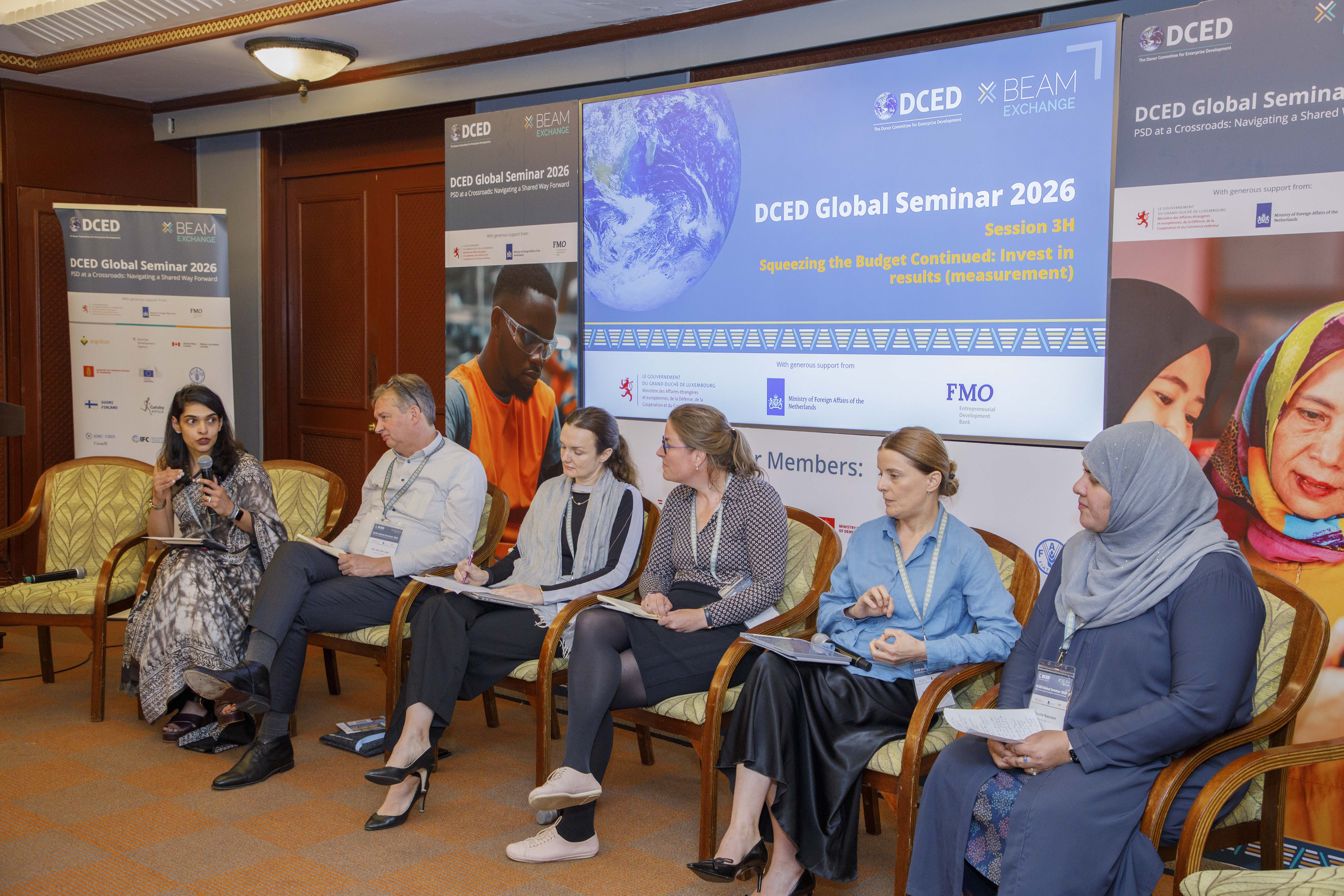
Funders and programmes shared their experiences with robust monitoring, evaluation and learning (MEL), which is more important than ever for demonstrating impact, improving programme effectiveness and informing smarter investment decisions. There is a particular urgency to improve how the PSD practitioners measure and learn about climate and environmental outcomes. Going forward, the DCED will continue to set the standard for credible monitoring, evaluation and evidence generation and promote the adoption of good practices among funders and practitioners. The DCED will also make PSD evidence centrally available through the forthcoming, updated DCED Evidence Framework.
This section list blog posts and other follow-up content relating to the DCED Global Seminar 2026.
Beyond panels and PowerPoints: What we learned from doing things differently at the DCED Global Seminar 2026 [article 1 of 3]

Participatory plenary: Breakthrough idea or a recipe for chaos? [article 2 of 3]
Feeding the fish (and the giraffes): Experimenting with a different kind of breakout session [article 3 of 3]
Side events by external providers took take place on Friday 19 June 2026 in Nairobi.
Advanced Market Systems Development Training: DevLearn brought its Advanced Market Systems Development Training to Nairobi for a one-day intensive on Friday 19th June. Designed for practitioners working in complex environments, this immersive, scenario-based session focused on strengthening participants ability to design and implement MSD programmes. For on future training opportunities, visit the DevLearn website.
This practical, evidence-based workshop was built specifically for donor representatives sponsible for shaping, commissioning, co-designing or investing in employment and skills programmes. Drawing on a growing body of research and cross-agency programme learning, this workshop gave participants the tools to define a vision for impactful transformation, including setting clearer objectives, navigating trade-offs in programme design, evaluating implementer proposals with confidence, and leading effective co-design processes. Sessions unlocked participants understanding of labour market demand and supply and the importance of making informed tradeoffs around participant focus, approaches, systems change, scale and value for money — with practical exercises, applied examples and peer discussion throughout. This workshop was led by Rachel Shah – the Director of Youth Employment at Mercy Corps. She is an experienced researcher, trainer and technical leader in Market Systems Development for Employment, co-founder of the global MSD for Employment Community of Practice and supports a diverse range of employment and entrepreneurship projects, using a variety of approaches, globally. If you have any questions about the workshop, feel free to get in touch with Rachel: rshah@mercycorps.org
Global efforts to realise climate goals, digital transformations and energy security are driving growing demand for critical minerals such as copper, lithium and rare earth elements. For this demand to translate into maximum value for both exporting and importing countries, they should align with producer countries’ development ambitions, reflect best practices for protecting human rights and the environment, and engage effectively with the private sector along value chains. The current context of global strategic competition for access to critical minerals is further raising the stakes for producer governments, affected communities and the environment.
The DCED Secretariat and the OECD co-hosted a half-day workshop for donors and practitioners to explore some of the key issues related to critical minerals and (private sector) development, with plenty of opportunities to exchange experiences and current initiatives amongst participants. For more information on the workshop, contact Holger Grundel at grundel@enterprise-development.org.
Through the Global Gateway, the Netherlands is supporting efforts by TradeMark Africa and its partners to modernise and speed-up how goods move across borders. Digital customs systems and real-time cargo tracking are replacing manual processes, cutting clearance times from days to under 24 hours in some cases.
The benefits extend beyond technical aspects. By speeding up trade and making it more predictable, costs decrease, competitiveness increases, and regional supply chains become sturdier and more dependable. The shift further indicates a broader movement toward comprehensive and rules-based trade frameworks. For the Netherlands and the EU, Global Gateway focuses on both building sustainable, transparent, and interoperable infrastructure and investing in systems that lower uncertainty and connect markets efficiently.
This field visit to the Kenya Revenue Authority headquarters provided an overview of the customs digitization initiatives supported by TradeMark Africa, including the Integrated Customs Management System (iCMS), Regional Electronic Cargo Tracking System (RECTS), and cargo scanning and image analysis. It included a demonstration of the RECTS national dashboard and the national scanning management dashboard. These digitization efforts have contributed to significant reductions in the time and cost of trade for both imports and exports, including cargo transported by rail and sea freight.