Private Sector Development (PSD) is the range of strategies aiming to establish markets that function vibrantly and fairly, providing economic opportunities of quality to poor people at scale. Knowledge pages on specific PSD approaches and themes can be accessed via the links below.
For general overviews of PSD and current donor priorities, please refer to the following documents:
- Two-page Overview of Private Sector Development, DCED, 2025 En français. En español.
- Four-page Overview of Donor Strategies and the Private Sector, DCED, 2025
The following resources provide examples of DCED member agency strategies and introductory guides on Private Sector Development:
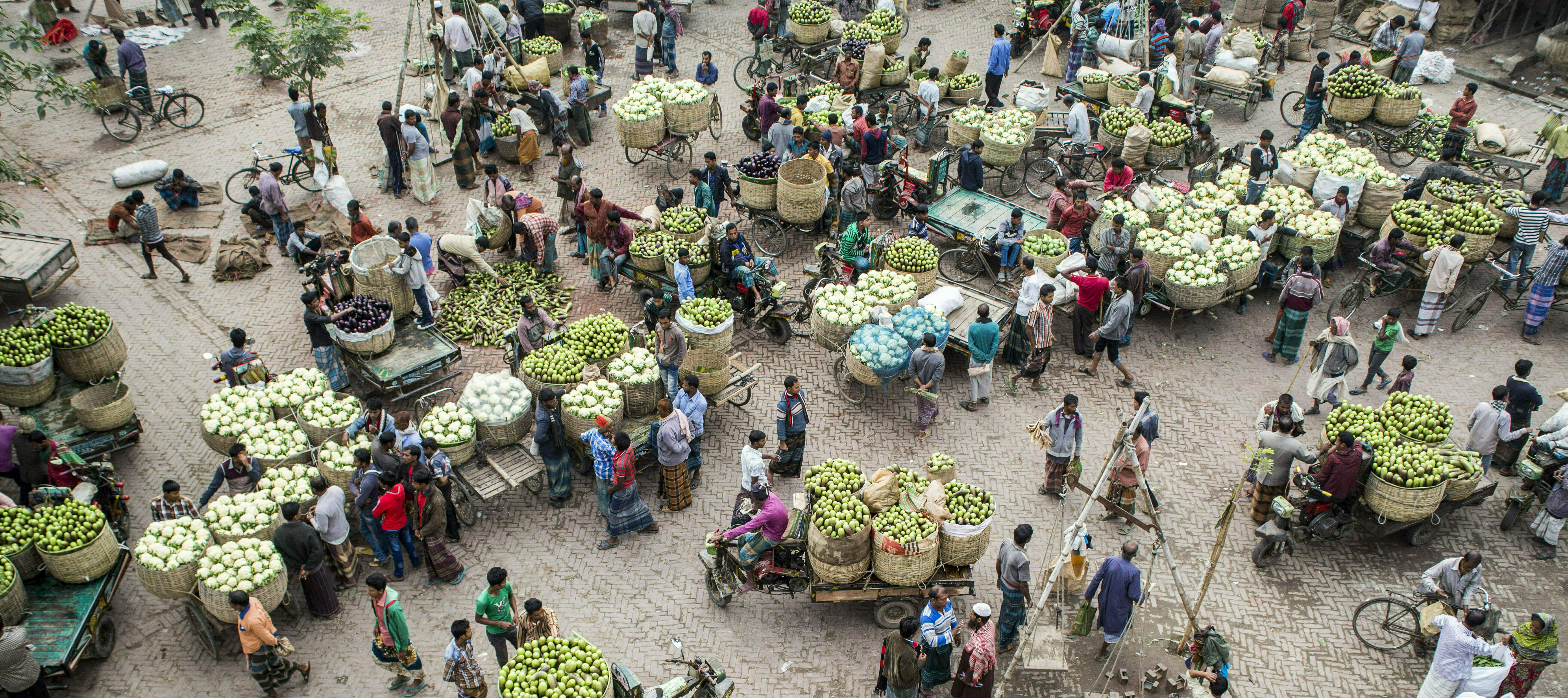
Market systems development (MSD)
This approach aims for large-scale, sustainable impact by understanding how poor people interact with market systems, and how these systems can be changed to improve their lives. Depending on the market failures identified, MSD may tackle these by using various PSD tools, e.g. linking value chain actors, BDS or regulatory reform.
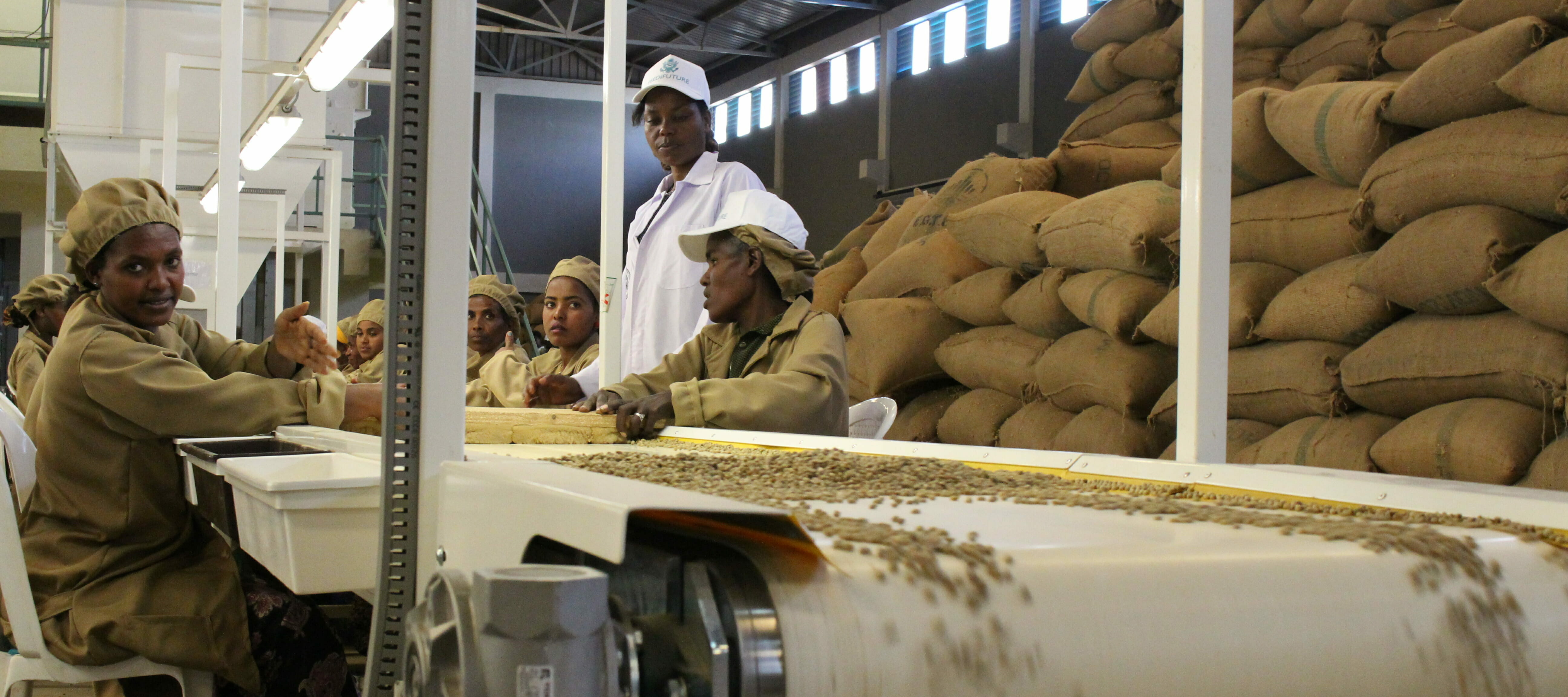
Private sector engagement (PSE)
Many donor agencies are now directly engaging their own domestic or international private sector as partners in achieving development objectives – based on the basic principles of shared costs, risks and benefits. Two broader categories of PSE include engaging the financial sector to leverage private finance for development; and engaging with companies around their core business activities.
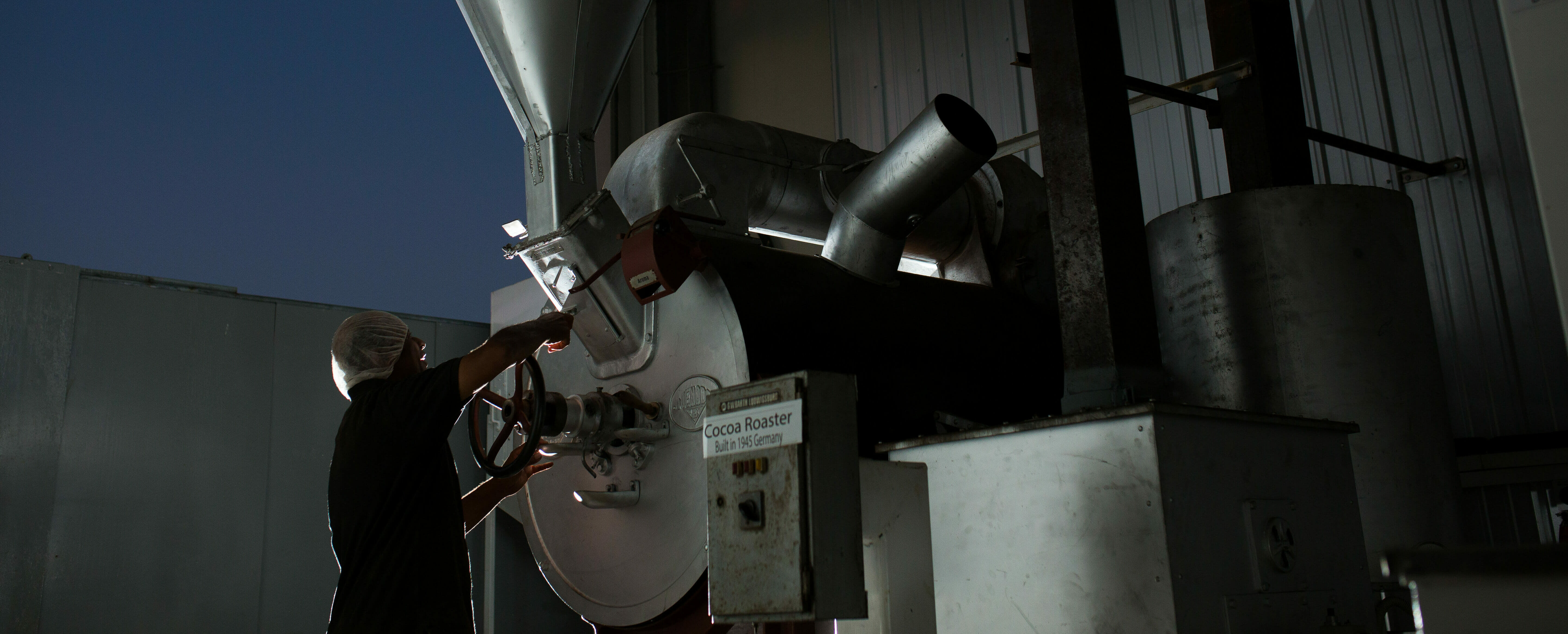
Industrial Policy
Industrial policy is broadly defined as government intervention to promote productivity-based growth through support to high-potential economic sectors. It may target manufacturing, agricultural or services sectors. If and how donors should promote industrial policy is much debated in development circles.
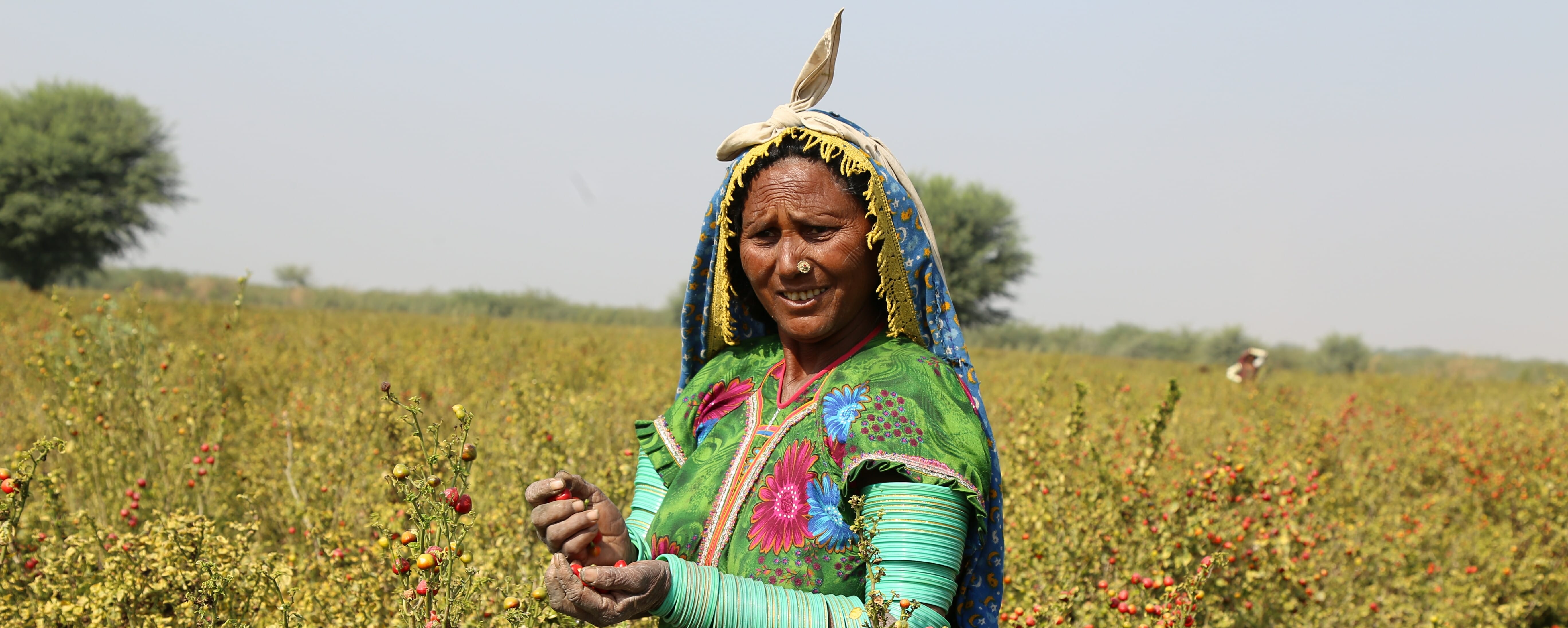
Inclusive Business (IB)
Inclusive Business models integrate the poor, either as consumers or on the supply side as distributors, suppliers or employees. Various PSD approaches can be used to promote Inclusive Business models, e.g. IB-oriented business environment reform, value chain development, or partnerships to share the costs of risky investments.
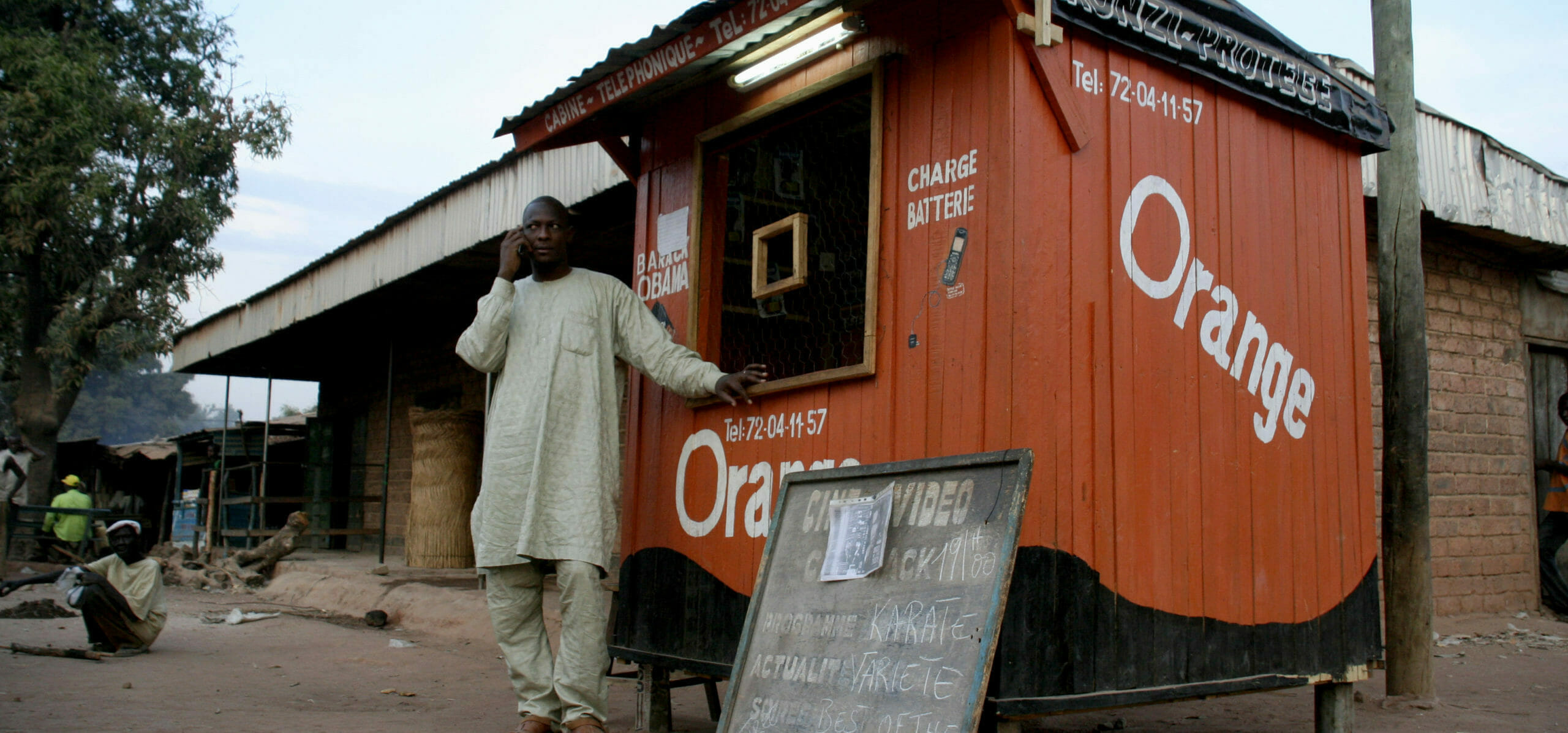
Business Environment Reform (BER)
Inappropriate or excessive regulation and taxation, a lack of fair competition, and a lack of voice for the private sector can stifle business growth and increase poverty. Based on BE analyses to identify key constraints, donors may work with governments to design and implement reforms, or support the private sector in advocacy through Public-Private Dialogue.
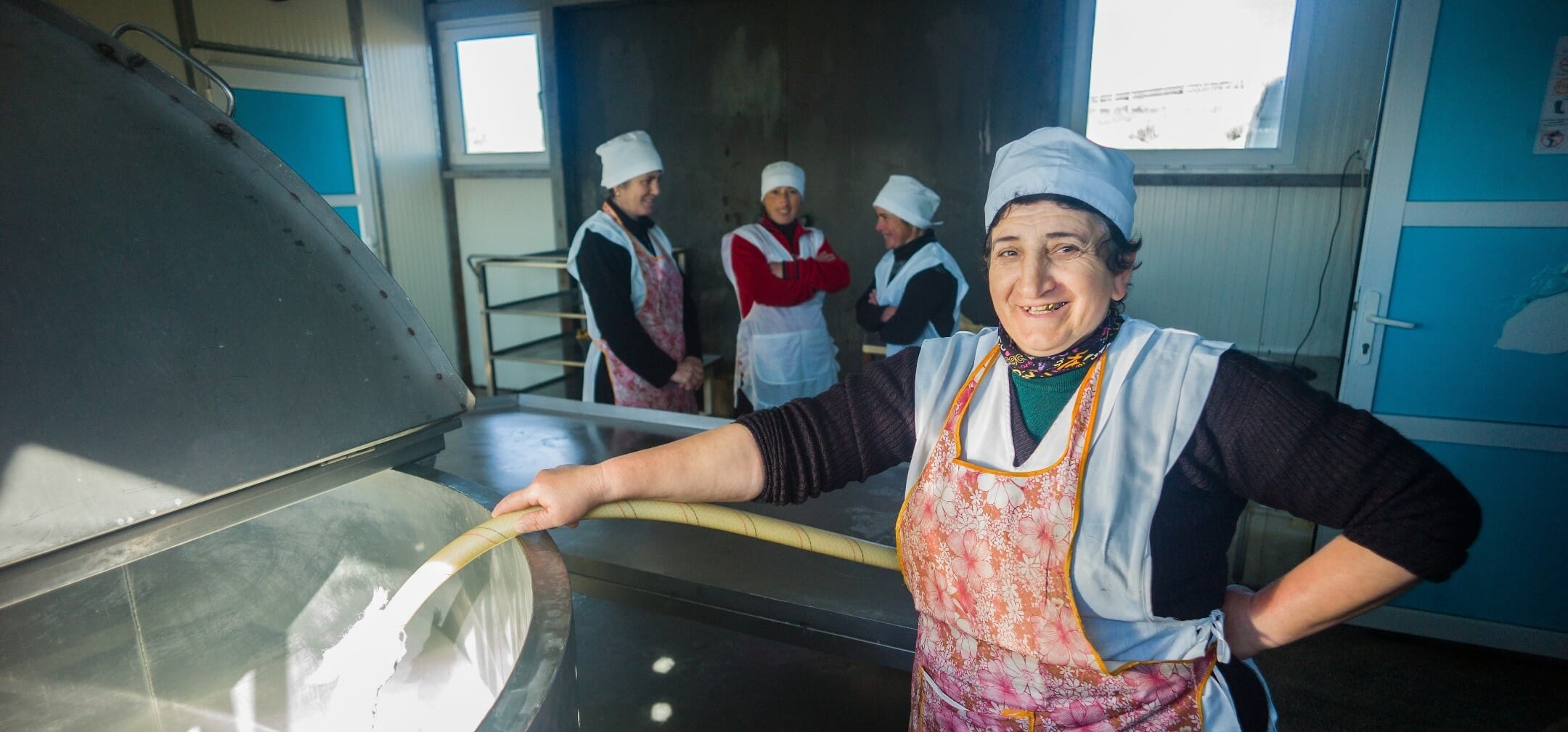
Women’s Economic Empowerment
Across the world, women are paid less for their work and see fewer benefits of their labour. Discrimination and extra household responsibilities may reduce their access to decent work and productive inputs. Gender-sensitive and WEE-focused PSD interventions seek provide men and women with equal opportunities to contribute to, and benefit from growth.
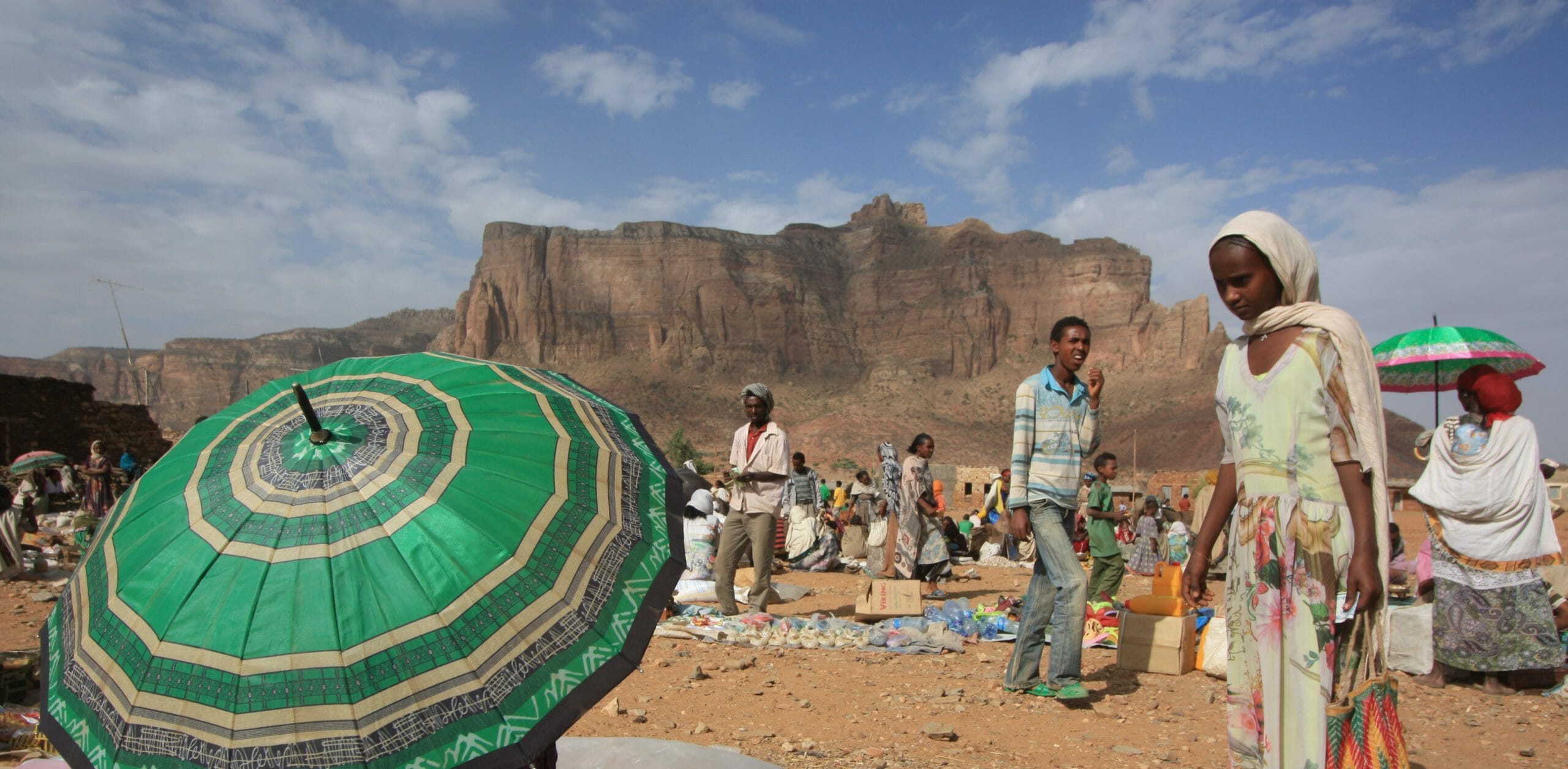
PSD in fragile and conflict-affected environments
Conflict disrupts the regular functioning of markets and in their place creates a war economy. PSD practitioners must be sensitive to their impact on the conflict situation, e.g. the distribution of resources among different groups. At the same time, PSD can play a vital role in economic recovery and building peace by creating jobs and promoting economic interactions.

Local Economic Development (LED) and Clusters
LED focuses on enhancing the economic prospects of a particular region or municipality. LED may combine business environment reform, value chain development, infrastructure development, innovation policy, planning and/or skills development. Cluster development focuses on geographic agglomerations of inter-connected companies, services and institutions.
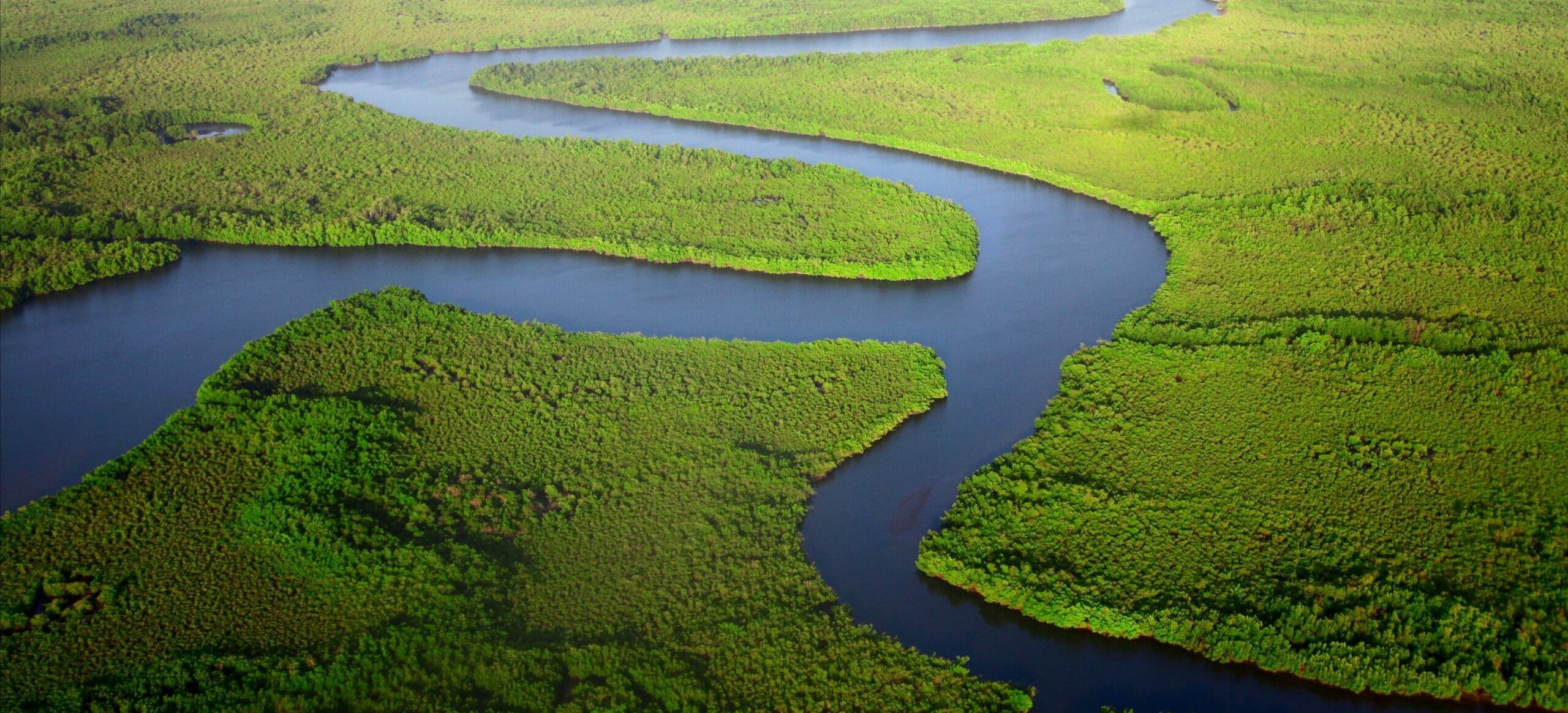
Green Growth
The private sector is central to mitigating and adapting to climate change, reducing pollutants, and reversing the loss of biodiversity loss and water scarcity. Greater environmental sustainability requires new products, new markets and new production methods. Investment in greening economies can also be a business opportunity, including in the developing world.
Small Enterprise Development
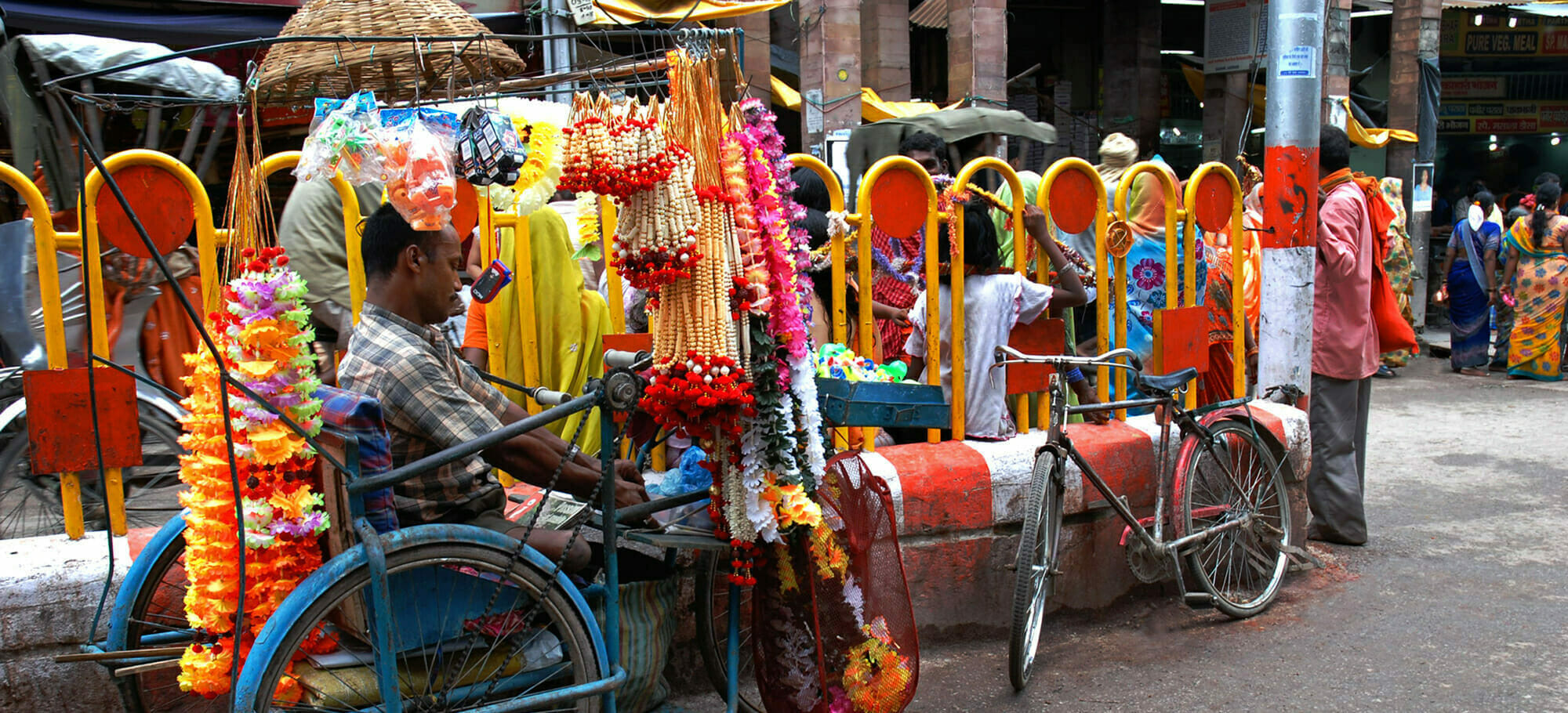
Small Enterprises are not coherently defined across agencies and countries but their support is generally justified by the important employment share that they have in most economies. The benefits of targeting small enterprises, e.g. through management training or financial services, is however widely debated, as not all small enterprises contribute to growth and job creation.
Employment Creation
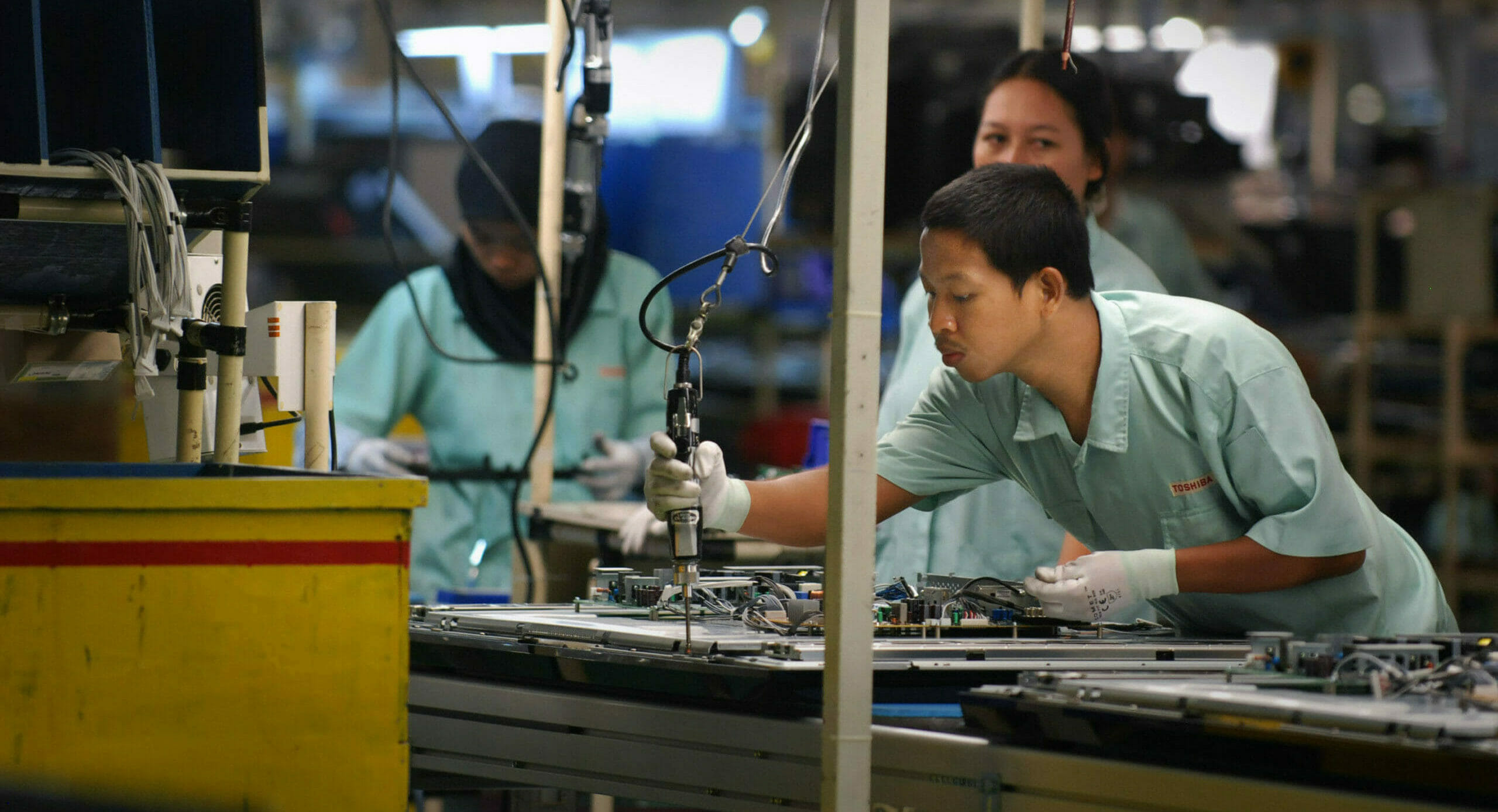
While employment creation in developing countries is high on the agenda of most donor agencies, there are different views on how to best to achieve it – ranging from strategies to support small business, large business, or high-growth enterprises; stimulating economic sectors that with great employment potential for the poor (e.g. agriculture, light manufacturing) or creating an enabling business environment.
Youth Employment
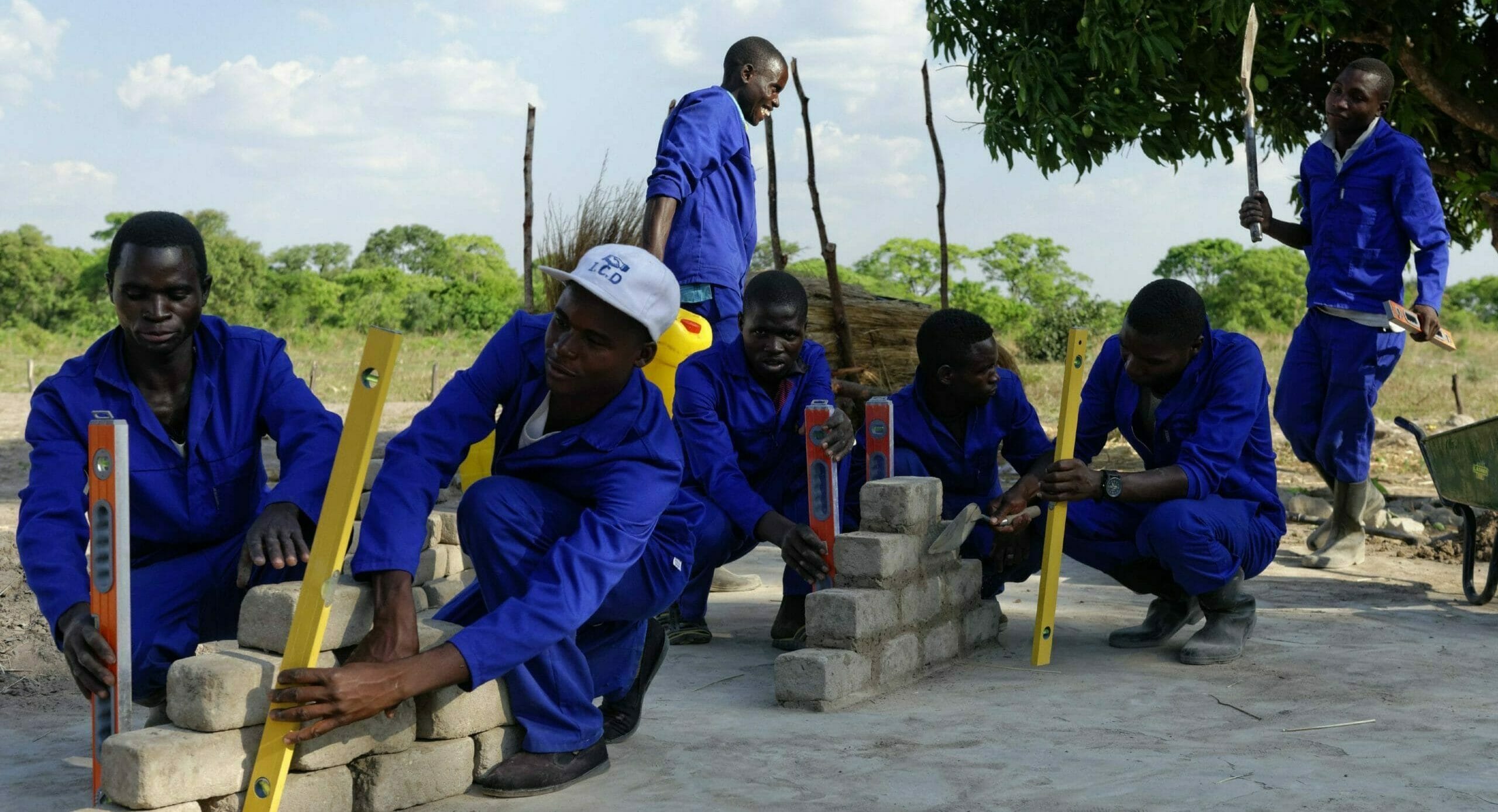
Young people globally are almost three times more likely to be unemployed than adults. They are also particularly vulnerable to insecure and poorly paid jobs. Donors interventions to address these concerns predominantly take the form of either job skills training, which aims to help young people compete better in the labour market, or entrepreneurship support, which aims to help young people create their own businesses.
Promoting Access to Finance
Access to finance is vitally important to private enterprises in the developing world. While it is critical for PSD, the DCED among others treats it as a separate field in its own right. The Consultative Group to Assist the Poor (CGAP), which was originally part of the DCED, is a leading source of information on microfinance.
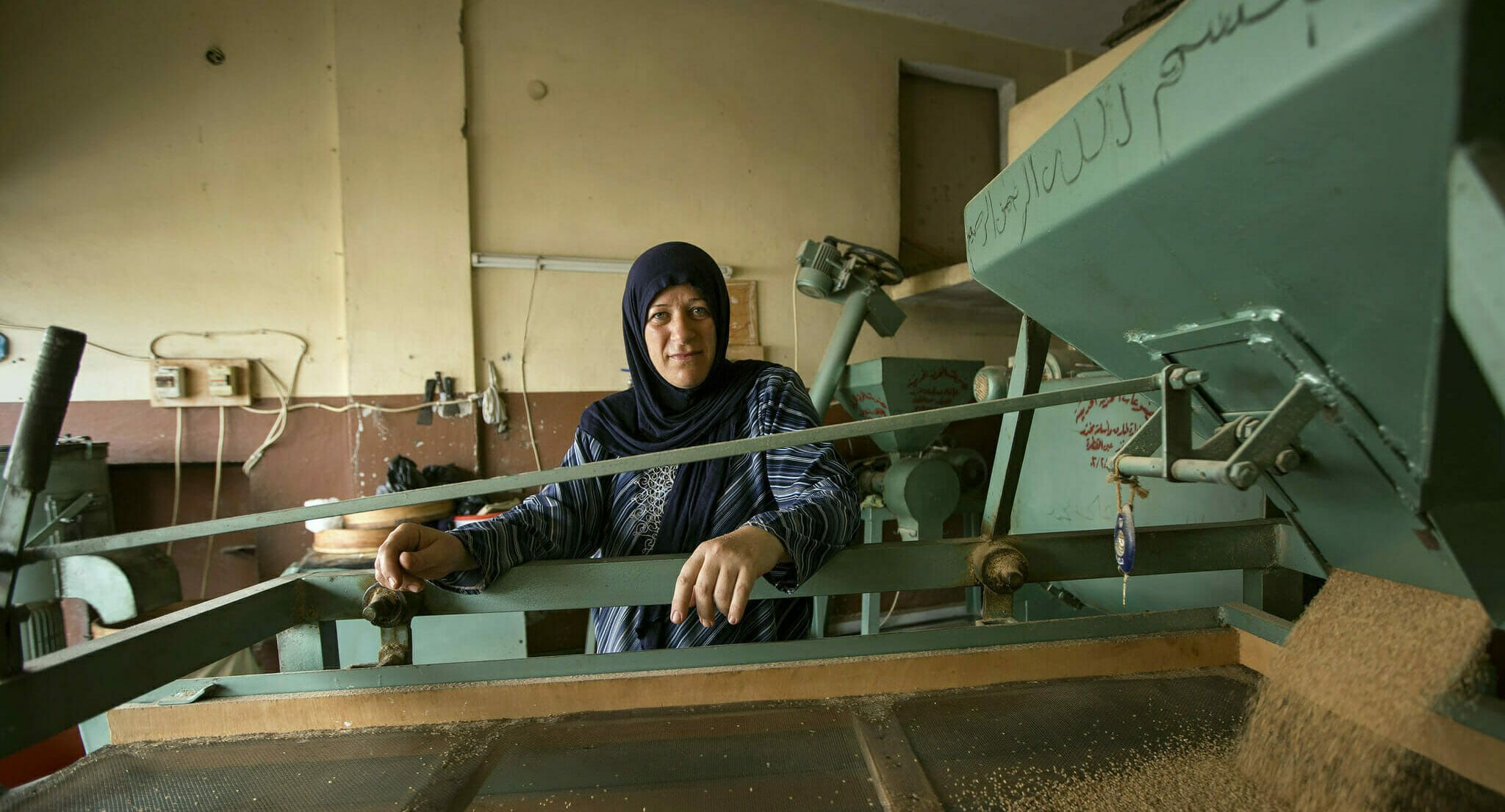
Increasing opportunities for refugees
25 million people are currently asylum-seekers or refugees. Fostering their self-reliance and harnessing refugees’ economic contributions are now widely seen as a more sustainable and desirable solution than humanitarian assistance. Donors and host governments can facilitate this through a variety of PSD strategies.
Photo credits: Katalyst; Drik; Nestle Peru; USAID Ethiopia; Rob Rickman/Rampant Fiji Limited; Saira Habib/MDF Pakistan; Simon Davis/DFID; Nata Sisvadze/ALCP Georgia; Ed Hedley; Urs Flueeller/123rf.com; Chandan Dey; Russel Brott; UN Women/Joe Saade.